
Iran war just froze a critical shipping route, and experts say the ripple effect could hit drug, electronics, and more prices next
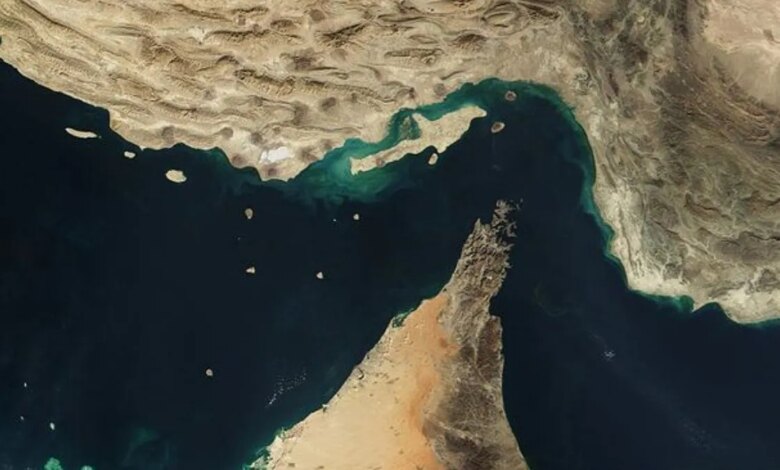
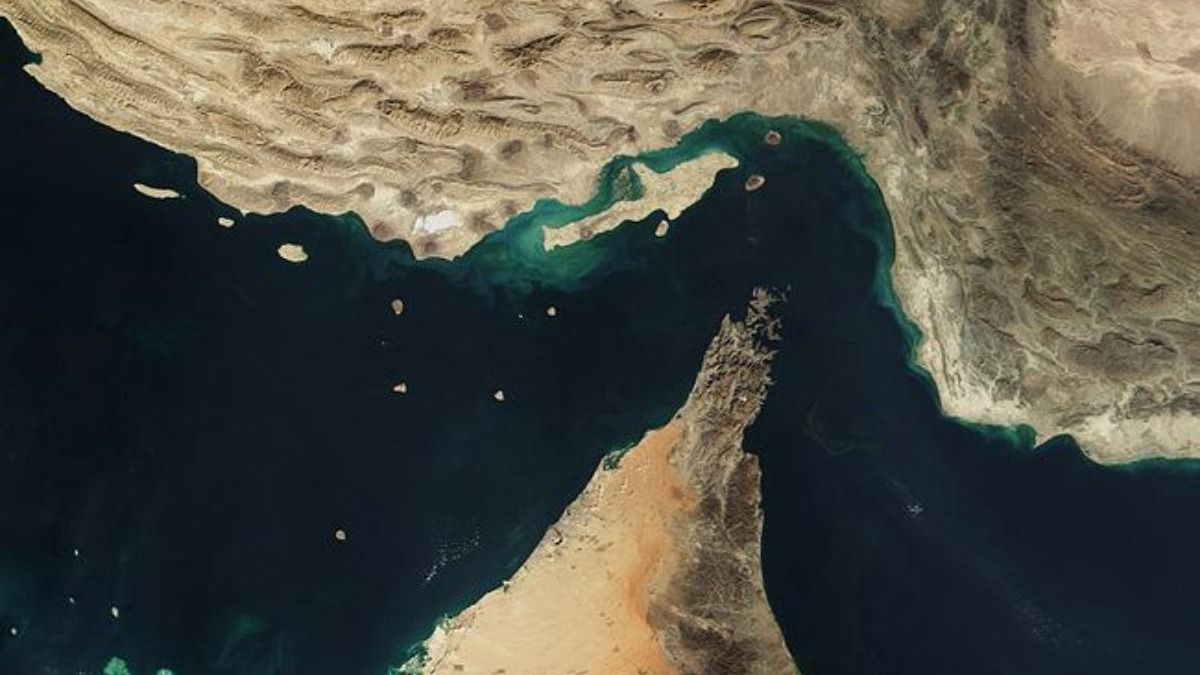
Image by eutrophication&hypoxia, CC BY 2.0.

|
The war involving Iran has effectively frozen tanker traffic through the Strait of Hormuz, a chokepoint that handles a major share of global energy shipments. The story came to light through the Associated Press, which reports the impact is already spilling into broader supply chains.
Cargo ships that normally move through the Persian Gulf are now either stuck in place or forced to take significantly longer detours around southern Africa. Air cargo routes in the Middle East are also being disrupted as flights are grounded and airspace restrictions spread across the region.
Experts say the longer the disruption continues, the more likely shortages and higher prices will follow across multiple industries. Patrick Penfield, a professor of supply chain practice at Syracuse University, warned the strain could build quickly as delays compound.
The disruption is spreading far beyond oil shipments
Shipping data from Clarksons Research shows how widespread the disruption has become. Roughly 3,200 ships, representing about 4% of global ship tonnage, are currently idle inside the Persian Gulf.
Around 500 ships, or roughly 1% of global tonnage, are “waiting” outside the Gulf near ports in the United Arab Emirates and Oman. Even if the percentages look small, the delays can cause congestion elsewhere as shipping schedules slip and ports back up.
Michael Goldman, general manager North America for CARU Containers, said the supply chain behaves like a long train where one disruption can cascade through the system. When vessels are delayed or rerouted, capacity gets squeezed across other lanes and timelines unravel fast.
The United States has also signaled it may step in to stabilize shipping. On Tuesday, President Donald Trump said he directed the U.S. International Development Finance Corp. to offer political risk insurance to firms moving oil and other goods through the Persian Gulf. It comes amid a WHCA dinner appearance plan.
Trump also said the U.S. Navy could escort oil tankers through the Strait of Hormuz if needed, and the Navy already has multiple ships in the region. The conflict is also affecting transit through the Red Sea and the Suez Canal, pushing carriers like Maersk to reroute around the Cape of Good Hope, which Penfield estimates adds 10 to 14 days and about $1 million in extra fuel costs per ship.
Air cargo is facing similar pressure as airports and airspace close across parts of the Middle East. Airlines such as Emirates, Qatar Airways, and Etihad Airways move high-value freight through the region, including pharmaceuticals and electronics, with the same kind of consumer demand tied to a stolen laptop recovery story.
Although air freight represents less than 1% of global freight by volume, it carries many time-sensitive products and accounts for an estimated 35% of the value of global trade. Airline analyst Henry Harteveldt said prolonged closures could complicate passenger and cargo routes to India, forcing longer flights or added fuel stops.





Published: Mar 4, 2026 07:00 pm