
As jobs vanish and the Dow plummets, Trump’s latest demand sparks a national financial nightmare
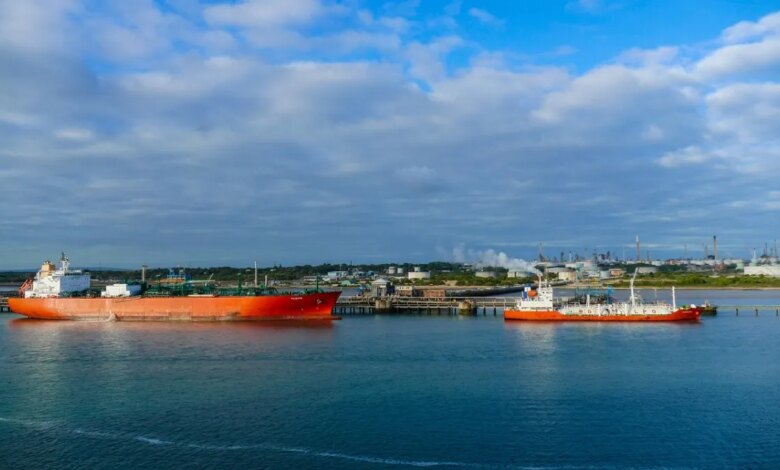
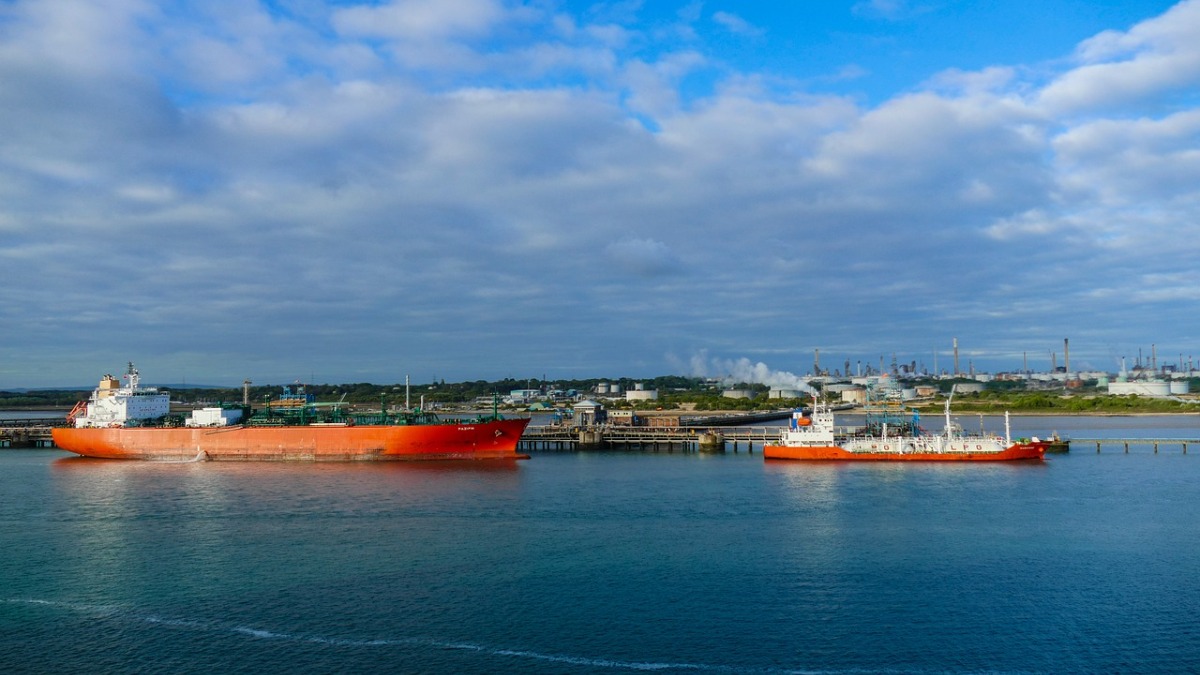
Image by michaelmep on Pixabay.
The economic impact of war.

|
The Dow Jones Industrial Average took a significant hit on Friday, plummeting 450 points as President Donald Trump’s firm stance on Iran sent ripples through the financial world, reigniting fears of an escalating conflict and a surge in oil prices. According to ABC News, with the economy facing new challenges as a consequence of the U.S.-Israel’s war on Iran, this is especially concerning.
Trump made his position crystal clear in a social media post on Friday morning, appearing to shut down any possibility of a compromise with Iran. He stated there would be “no deal with Iran except UNCONDITIONAL SURRENDER!” This strong declaration immediately became a cause for concern among traders about the potential for a prolonged conflict.
The financial markets reacted sharply to the news, extending losses from the previous day. The Dow fell 453 points, which is a 0.9% drop. Meanwhile, the S&P 500 dipped 1.3%, and the tech-heavy Nasdaq saw a 1.5% decline. It’s a tough environment for investors right now.
You can really feel the uncertainty in the air
One of the biggest drivers behind the market’s slide was the soaring price of oil. U.S. crude oil prices jumped a staggering 12% on Friday alone, topping $90 per barrel. This marks a significant 35% increase from just a week earlier. Traders are worried about a potential blockade of the Strait of Hormuz, a critical shipping route that handles about one-fifth of the world’s oil supply. Any time this route gets disrupted, it’s awful news for global energy costs.
Adding to the economic jitters, a jobs report released on Friday revealed that the U.S. economy unexpectedly lost jobs in February. This unexpected reversal marks a concerning shift for the labor market, which had been showing strength. The unemployment rate also ticked up slightly, going from 4.3% in January to 4.4% in February, according to the BLS. While unemployment is still low by historical standards, this upward movement isn’t what we want to see.
The ongoing war with Iran poses a serious threat to U.S. economic growth. Analysts have warned that these oil-driven price increases could put a heavy burden on both consumers and businesses. Think about it: higher gas prices, increased shipping costs, and more expensive goods. It’s a ripple effect that touches everyone’s wallet.
This potential combination of higher inflation and slower economic growth creates a real dilemma for the Federal Reserve. The central bank has a dual mandate to manage prices and maintain maximum employment. If inflation goes up while job growth slows, it puts pressure on both sides of that mandate. The Fed had held interest rates steady at its most recent meeting in January, after a string of three consecutive quarter-point rate cuts.




Published: Mar 6, 2026 06:00 pm