
A mysterious Polymarket account made $515,000 on the Iran strike before the news broke, and the connection to Trump’s family is raising red flags
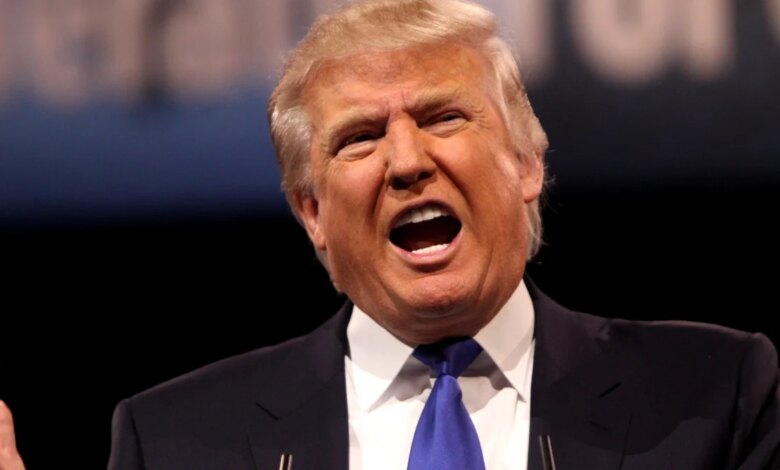
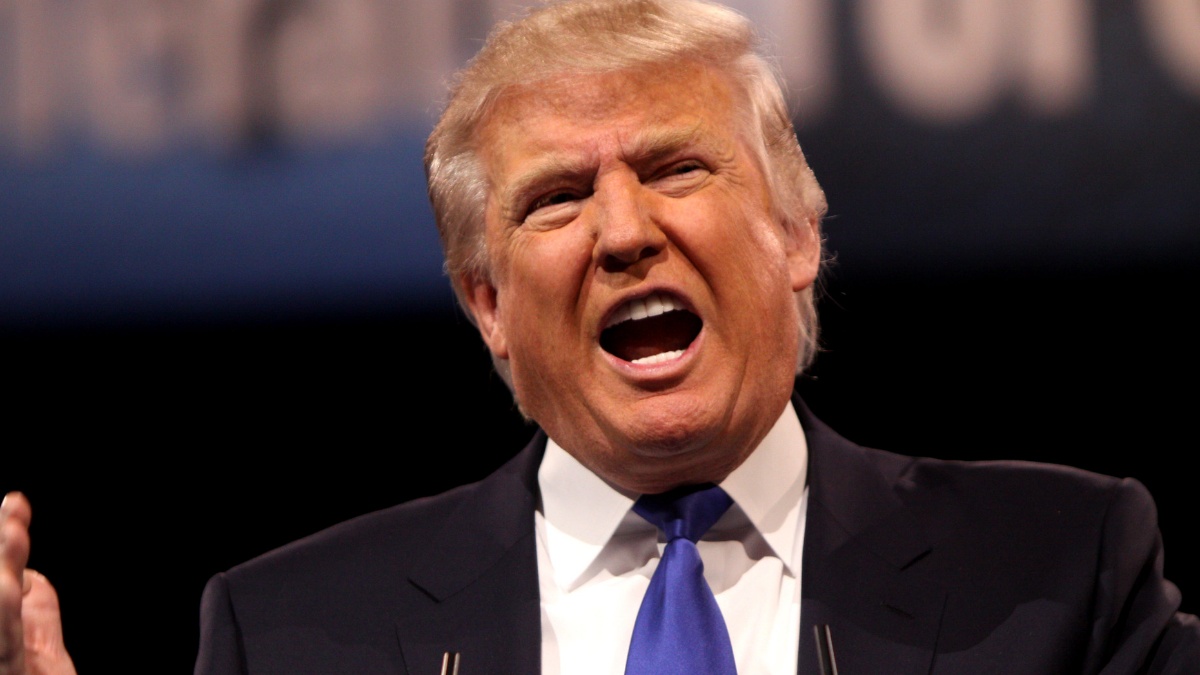
“Donald Trump” by Gage Skidmore is licensed under CC BY-SA 2.0.

|
A mysterious Polymarket account called “Magamyman” has sparked major controversy after making $515,000 in profit on a U.S.-Israel strike on Iran. The trades were placed just over an hour before the news became public, turning roughly $87,000 into over half a million dollars overnight. At the time of the first bet, the market only showed a 17% chance of the strike happening.
Congressman Mike Levin (D-CA) highlighted the suspicious activity on X, sharing a screenshot of the account’s wagers. He pointed out the close relationship between Polymarket and Donald Trump Jr., who sits on the platform’s advisory board. Trump Jr.’s firm also invested a “double-digit millions” sum into Polymarket last year.
Adding to the concern, the Department of Justice and the Commodity Futures Trading Commission had active investigations into Polymarket, which were reportedly dropped after President Trump took office. According to Mediaite, the timing of that decision, combined with the family connection, has led many to ask serious questions.
Insider trading concerns are hard to ignore given the scale of the bets placed
This was not an isolated case. The prediction market saw a massive $529 million traded on bets related to the timing of the U.S. and Israeli military’s bombing of Iran. An analytics firm called Bubblemaps found that six newly created accounts collectively made $1 million by correctly betting that the U.S. would strike Iran by February 28.
Democrats have been vocal about holding the Trump administration accountable for financial decisions that they believe harm ordinary Americans. Nicolas Vaiman, CEO of Bubblemaps, explained that while these bets could reflect broader speculation about U.S. intentions, the anonymity on Polymarket and the flow of information “involving war or conflict” can create strong “incentives for informed participants to act early.”
Polymarket has defended its position on taking bets related to sensitive events like the Iran strikes. In a disclaimer on its site, the company stated that prediction markets are meant to “harness the wisdom of the crowd to create accurate, unbiased forecasts for the most important events to society,” calling this ability “particularly invaluable in gut-wrenching times.”
Congressman Levin, however, is firm on his stance. He said that prediction markets “cannot be a vehicle for profiting off advance knowledge of military action,” and is demanding “answers, transparency, and oversight.” His concerns come at a time when federal judges have blocked several Trump administration actions over what courts have described as a pattern of unlawful conduct.
This isn’t the first time prediction markets have faced criticism over sensitive bets. In January, analytics firm Polysights noticed a spike in bets on whether Iran’s Supreme Leader, Ali Khamenei, would remain in his role by the end of March. Concerns quickly arose that such markets could financially encourage assassinations.
In response, Kalshi CEO Tarek Mansour clarified that his company does “not list markets directly tied to death.” He added that when potential outcomes involve death, Kalshi designs rules to prevent people from profiting from them. The company also reimburses all fees from any such bets.





Published: Mar 2, 2026 04:15 pm