
Crude surges past $90 as tankers avoid the Strait of Hormuz, and Trump’s moves haven’t calmed the markets
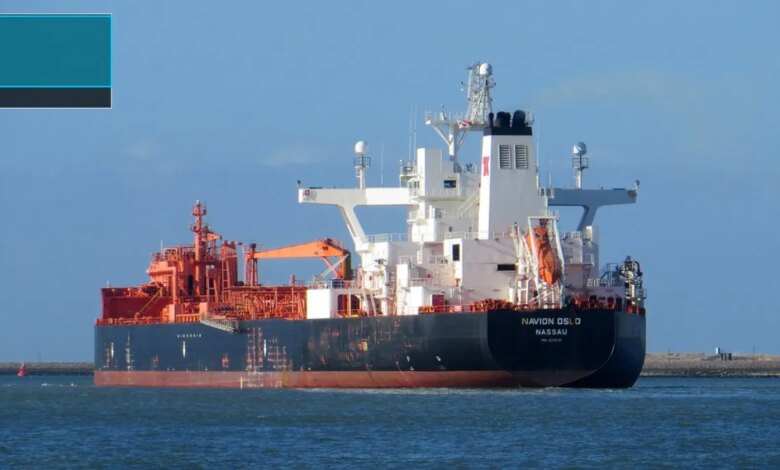
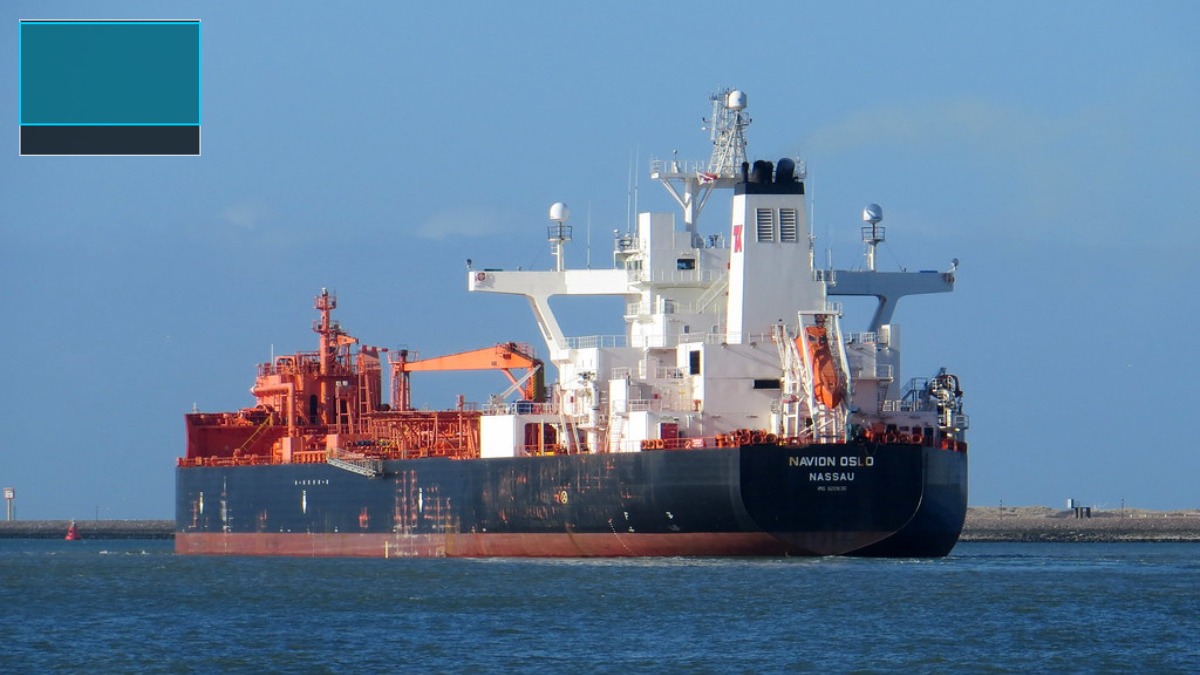
Image by hemkes, CC BY 2.0.

|
Crude oil prices have surged past $90 a barrel for the first time since 2023, marking a dramatic jump that has rattled energy markets and raised concerns about rising costs for consumers. Gas prices have already climbed roughly 32 cents per gallon in just a week as the conflict in the Middle East disrupts global energy flows.
The spike comes amid escalating tensions involving Iran and disruptions to one of the world’s most critical shipping routes. As reported by Politico, crude prices have climbed more than $20 since the conflict began last Saturday, marking the largest one-week jump on record.
A major driver of the surge is the growing number of oil and gas tankers avoiding the Strait of Hormuz. It is a narrow but vital waterway through which roughly 20% of the world’s crude supply passes each day.
Disruptions in the Strait of Hormuz are shaking global energy markets
Analysts warn that the situation could worsen if tanker traffic does not resume through the Strait of Hormuz. Oil analyst Rory Johnston wrote on X that crude prices could climb dramatically higher if shipping disruptions continue, warning that prices could eventually reach $200 per barrel unless traffic through the strait resumes.
The White House has attempted to stabilize markets with several measures. These include temporarily easing sanctions on India and allowing them to purchase Russian oil and offering naval escorts along with political risk insurance for ships willing to pass through the Strait of Hormuz, amid Russia oil sanctions waiver.
So far, those efforts have not calmed traders. Markets continue to price in supply disruptions after Iranian attacks damaged several oil tankers, while Iraq and Kuwait have already cut production because their oil cannot reach global markets.
China has also warned it could halt fuel exports due to supply concerns, adding further pressure to global markets. Claudio Galimberti, chief economist at Rystad Energy, said Gulf countries could soon face storage shortages if tankers continue avoiding the strait. If that happens, producers may be forced to shut down wells.
Galimberti estimated that a three-week closure of the Strait of Hormuz could shut in roughly 15 million barrels of Middle Eastern oil production each day. That would rapidly shift the global market from oversupply into what he described as an unprecedented deficit. Restarting production would also be difficult even if the shipping lane reopens, potentially prolonging supply shortages.
Despite these warnings, the Trump administration has tried to reassure consumers. Energy Secretary Chris Wright said Friday that Americans should expect gas prices to come down, saying the disruption could last “weeks, not months” in a worst-case scenario.
Wright acknowledged that current prices are higher than officials would prefer but said they remain below the peaks seen after Russia’s invasion of Ukraine when global oil supplies were much tighter.
White House press secretary Karoline Leavitt also said record U.S. oil production, additional Venezuelan supply, and ongoing efforts to reopen the Strait of Hormuz should help stabilize prices. That message arrives as broader market pressure keeps building, with Dow losses and jobs fears adding to investor concerns.
Still, some analysts say markets may not yet fully reflect the consequences of a prolonged disruption. Andon Pavlov, director of oil and tanker research at Kpler, said many traders still assume the strait will eventually reopen because the alternative would be economically catastrophic. Ben Cahill, an energy analyst, said financial protections such as insurance backstops may help reduce financial risk for tanker operators but do little to address fears of physical attacks.
Energy Secretary Wright acknowledged that shipping companies remain reluctant to pass through the Strait of Hormuz despite the insurance offers, saying the primary concern remains security. He said the U.S. military hopes to begin escorting tankers once Iranian attacks are suppressed.
Even if crude prices eventually fall, gas prices could remain elevated for longer. Catherine Wolfram, an energy economics professor at MIT, pointed to the “rockets and feathers” effect, where gasoline prices rise quickly when oil becomes more expensive but decline slowly when crude prices fall.
Source link





Published: Mar 7, 2026 02:15 pm