
Pentagon’s initial casualty report ripped apart, the true number of wounded US troops is a terrifying reveal
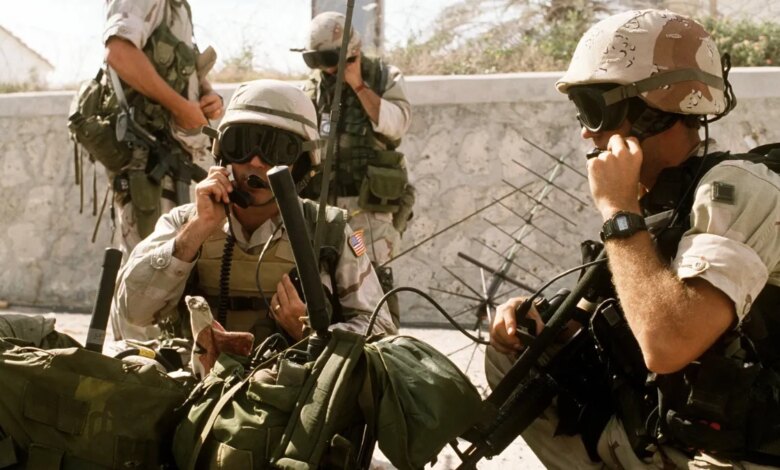
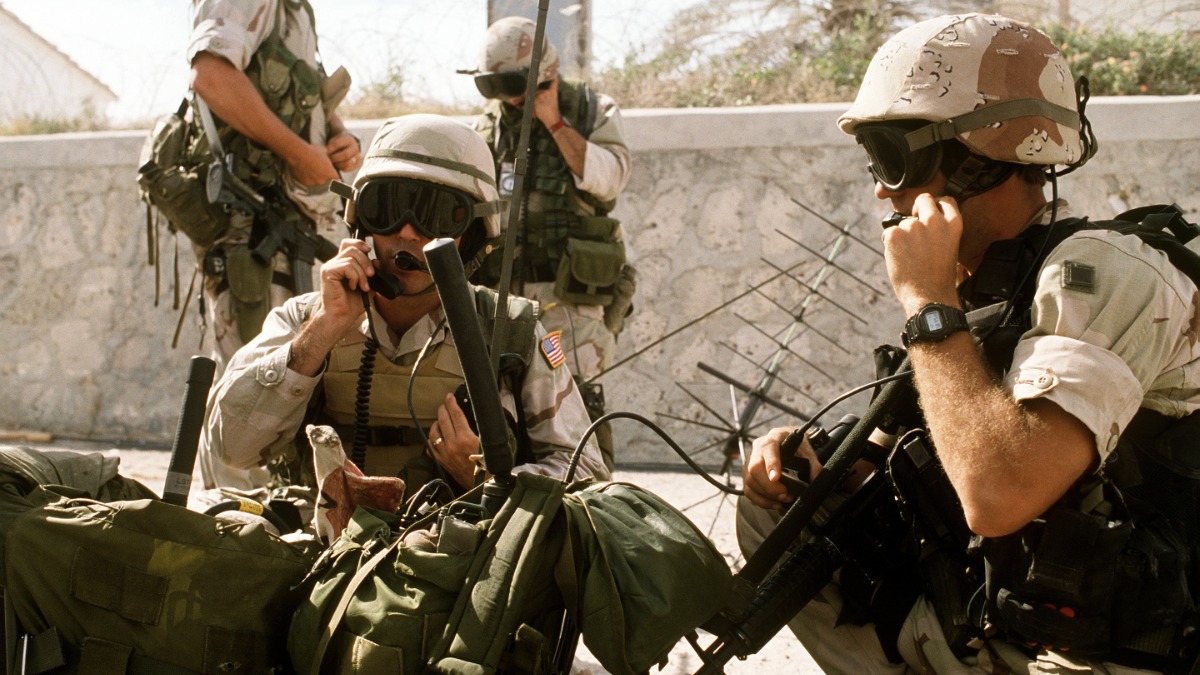
Image by SRA. Joanna Seltzer, Public domain
American sons and daughters are giving their lives for the Epstein class.

|
As many as 150 U.S. troops have been wounded in the 10-day-old war with Iran, a figure that dramatically changes the official casualty count previously disclosed by the Pentagon, as reported by Reuters. Prior to this new information, the Pentagon had only reported eight U.S. personnel as seriously injured, making this updated number a significant reveal.
After a report detailing the higher figure was published, the Pentagon promptly issued a statement, revising its own estimate to approximately 140 wounded service members. The Pentagon emphasized that the vast majority of these injuries were minor.
Sean Parnell, the chief Pentagon spokesperson, confirmed this revised number, stating, “Since the start of Operation Epic Fury, approximately 140 U.S. service members have been wounded over 10 days of sustained attacks.” He also added that a large portion, 108 of the wounded, have already returned to duty.
The lack of specific injury details here leaves a pretty big gap in our understanding
Parnell reassured the public that the eight seriously wounded service members are receiving the highest level of medical care available. It’s a tough pill to swallow that we don’t have full transparency on the types of injuries, especially considering how common traumatic brain injuries (TBIs) are after exposure to blasts. TBIs can have lasting, serious effects, and it’s something we really need to track for our service members’ long-term health.
This conflict kicked off on February 28, with Iran launching retaliatory strikes against U.S. military bases. Beyond the bases, Iran has also targeted diplomatic missions in Arab Gulf states, along with hotels and airports, and even managed to damage some oil infrastructure.
On the flip side, the Pentagon claims that the number of Iranian strikes has dropped sharply since the war began. This reduction is attributed to the U.S. military actively bombing Iran’s weapons inventories and targeting their more limited number of missile launchers. It sounds like the U.S. strategy is focused on degrading Iran’s ability to launch these attacks.
When asked if Iran was proving to be a tougher adversary than initially expected, General Dan Caine, chairman of the Joint Chiefs of Staff, offered a clear perspective earlier on Tuesday. “I think they’re fighting, and I respect that, but I don’t think they are more formidable than what we thought,” Caine told reporters during a Pentagon briefing. It seems the U.S. military believes they had a solid understanding of Iran’s capabilities going into this, despite the initial discrepancy in casualty reporting.
Source link





Published: Mar 11, 2026 11:00 am