
Trump accelerated the entire Iran strike timeline for one reason, but nobody in the room told Iran’s negotiators what was already in motion
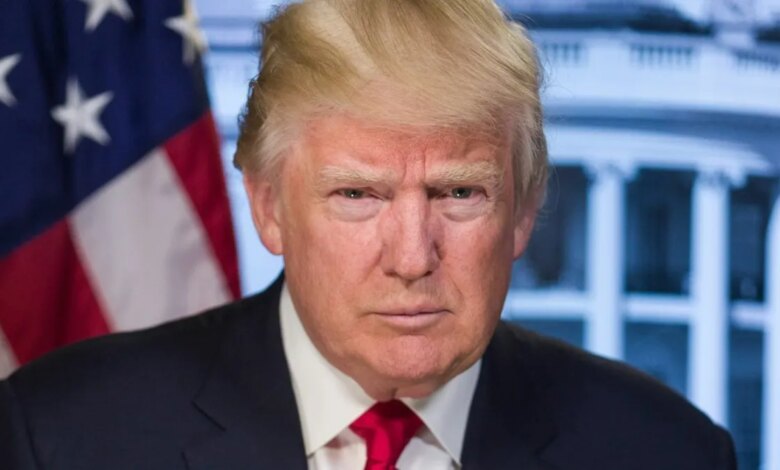
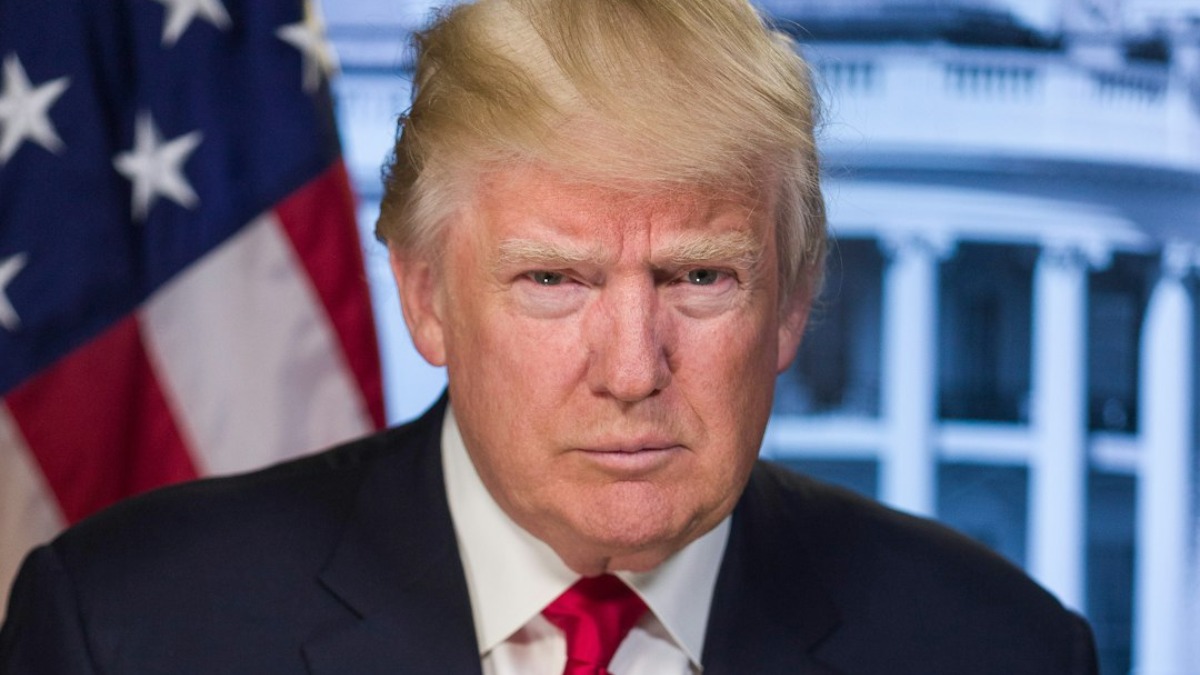
Photo by Library of Congress on Unsplash.
They didn’t want to miss out on the opportunity.

|
President Trump launched attacks against Iran on Saturday as part of a joint operation with Israel. The decision to strike was driven by intelligence that gave both countries a rare chance to target Iran’s top leaders and clerics at the same time, which pushed the timeline forward significantly.
Israeli intelligence had been tracking Ayatollah Khamenei, Iran’s supreme leader, and identified a narrow window where he and several other key figures were gathered in one place. This made it possible to hit multiple high-value targets at once. The strategy was based on the belief that while Iran’s Revolutionary Guard was fiercely loyal to Khamenei, that loyalty would not automatically transfer to any successor after his death.
According to The Guardian, a US official confirmed that Khamenei and between five and ten other top Iranian leaders had been killed in an Israeli strike on a compound in Tehran. Trump later confirmed Khamenei’s death on social media, and Iran’s own state media corroborated the news shortly after.
The strikes came just as nuclear talks in Geneva were already falling apart
Oman’s foreign minister, Badr Albusaidi, who had been helping broker negotiations, responded on social media saying that “active and serious negotiations have yet again been undermined,” and that the outcome serves “neither US interests nor global peace.” Reports suggest that Iran had agreed to halt uranium stockpiling before the strikes began, making the diplomatic fallout even more significant.
The strikes followed a week of fast-moving diplomatic activity. Trump’s envoys Steve Witkoff and Jared Kushner had met with Iranian negotiators at the Omani ambassador’s residence in Geneva. The US demanded that Iran destroy its three main nuclear enrichment sites at Fordow, Isfahan, and Natanz, hand over its remaining uranium stockpile, and agree to a permanent deal with no expiration clauses like those in the 2015 agreement that Trump scrapped during his first term.
Witkoff and Kushner ended their talks on Thursday feeling disappointed. After that, Trump was briefed on military options by Gen. Dan Caine, chairman of the joint chiefs of staff, and US Navy Adm.
Brad Cooper, commander of US Central Command, who reportedly held a more favorable view of what strikes could achieve. Israel’s decision to strike Tehran in daylight, followed hours later by US air and sea attacks, marked a dramatic escalation that caught many off guard.
Senior US officials cited several reasons behind Trump’s decision. One official called Iran’s conventional missile arsenal an “intolerable threat,” saying, “They will not even talk about it,” pointing to Iran’s refusal to discuss the missiles with the US or its regional partners. Another official said the US offered Iran “free nuclear fuel forever” as an alternative to enrichment, but Iran turned it down, calling that rejection a “big tell” about Iran’s real intentions.
US intelligence also indicated that Iran was actively rebuilding the enrichment sites destroyed during last year’s “Operation Midnight Hammer” and was stockpiling partially enriched uranium with no genuine intention of reaching a deal.
One official summed up the administration’s position: “The President, frankly, had no choice. We cannot continue to live in a world where these people not only possess missiles but the ability to make 100 of them a month in perpetuity.” The official added, “We are not going to be held hostage by them, and we are not going to let them hit us first.”
Source link




Published: Mar 1, 2026 11:15 am