
Trump is promising naval escorts to keep oil moving through the Strait of Hormuz, but here’s why shipping companies aren’t convinced
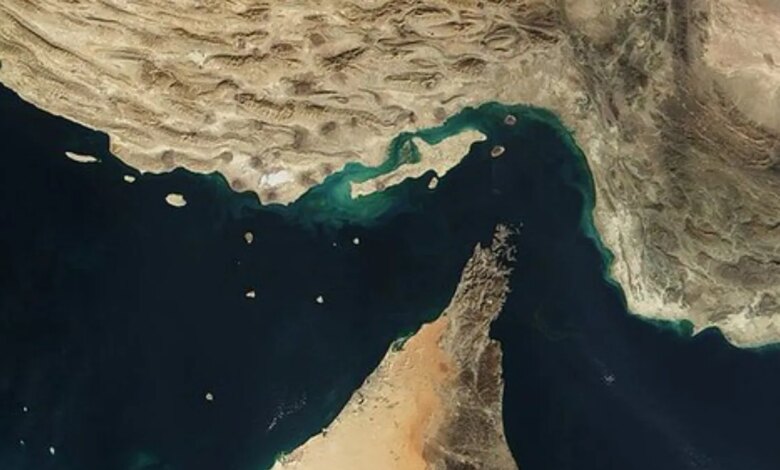
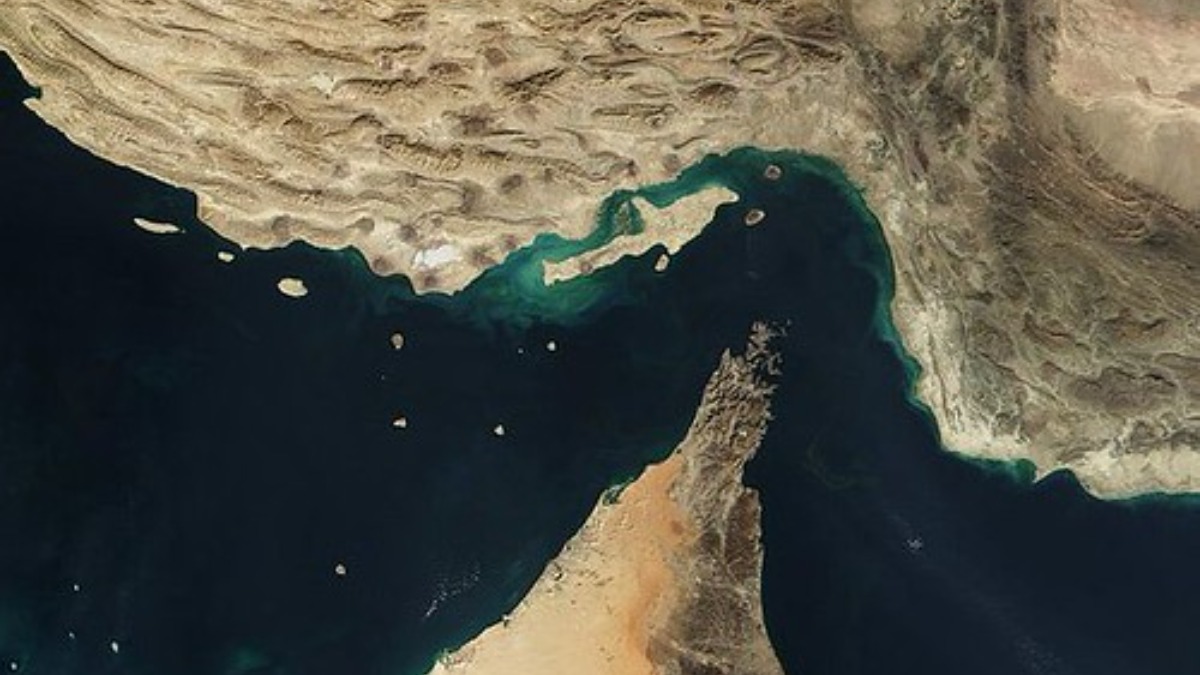
“Strait of Hormuz” by eutrophication&hypoxia, CC BY 2.0.
There’s no easy way out of this.

|
President Trump has promised that naval escorts and government-backed insurance will keep oil moving through the Strait of Hormuz. But shipping companies and sailors are not buying it. Iran’s direct threat to target ships in the region is far more powerful than any government promise.
On one recent day, not a single tanker passed through the Strait of Hormuz. This narrow channel near Iran’s southern coast normally sees 60 or more ships carrying about 20% of the world’s oil. The Persian Gulf is now full of stuck tankers, major shipping lines like Maersk and Hapag-Lloyd have stopped taking most cargo bound for the Gulf, and maritime insurers have pulled war-related coverage since fighting broke out in Iran.
According to CNN, Gene Seroka, executive director of the Port of Los Angeles, said he has “no evidence that (those promises) can be carried through.” Drawing on his years of experience in the industry, including time in the Middle East, he said he cannot see how anyone would make crews “live targets in the open seas.” He believes only a ceasefire can get commercial ships moving again.
The shipping industry needs a ceasefire, not just a military escort, to get moving again
Iran’s effective shutdown of the Hormuz has already pushed oil prices above $80, the highest since August 2024. Iran’s actions have effectively shut down this critical oil chokepoint, with only a handful of tankers still attempting to push through.
The safety of crews is the biggest worry for shipping companies. Beyond that, the ships themselves are worth hundreds of millions of dollars. Sanne Manders, President of logistics company Flexport, said companies simply will not put those assets at risk for a commercial transaction.
There are also doubts about whether the Navy has enough ships to escort the 60-plus vessels that normally use the strait every day. Jakob Larsen, chief safety officer for Danish shipping group BIMCO, called full protection for all tankers “unrealistic,” saying it would need an extremely high number of warships.
A senior US administration official said there is “no specific timeline” for naval escorts but that preparations are underway. The official admitted that “physical security” is the biggest problem right now and that running a large tanker through the strait today would be unwise. However, they expect that to change in the “not-too-distant future.”
The US military is focused first on stopping Iran from being able to “terrorize” the region, and then on getting ship traffic moving again. The crisis threatens to disrupt global supply chains much like the pandemic did, with empty containers stuck in the wrong places and ships gridlocked outside ports.
MSC, the world’s largest container shipping company, has already announced fuel surcharges on shipments until at least April, a cost that will be passed on to consumers. Experts warn that drug, electronics, and other goods prices could be next to rise as the ripple effects of this shipping freeze spread globally. Manders warned that the longer this goes on, the higher the chance of port congestion, especially in Asia.
Gulf Arab nations are also being cut off from vital imports. Six countries, including Saudi Arabia and the UAE, import about 85% of their food. Salgado’s ship has been anchored off Iraq since February 26, about 400 nautical miles from the strait, waiting to load cargo bound for Bangladesh. His contract was supposed to end recently. “That’s our feeling now, being stuck and unable to predict when will we be able to sign off,” he said.
Source link





Published: Mar 7, 2026 12:45 pm