
Trump obliterated Iran’s most vital oil island but deliberately spared its energy facilities, then named the one condition that changes that
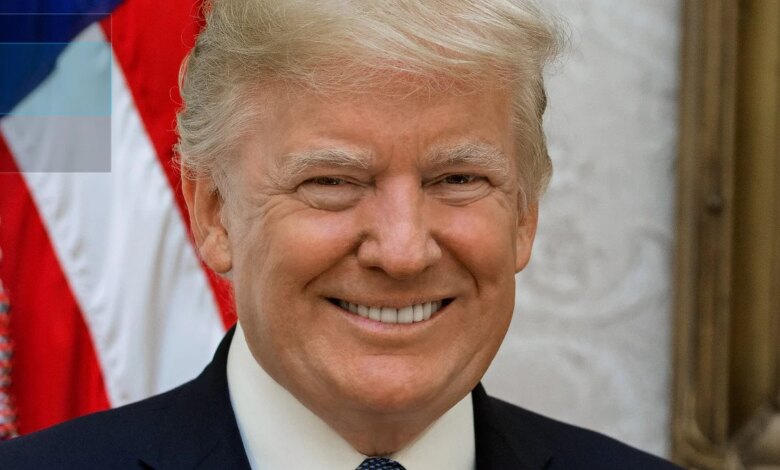
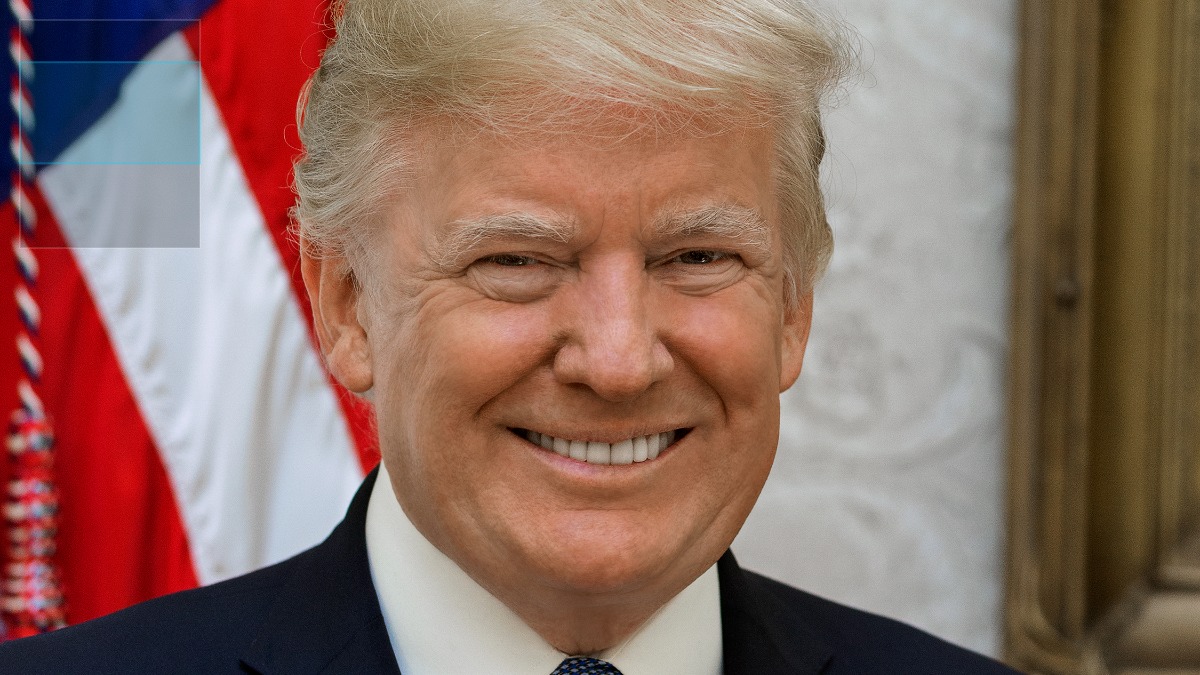
Image by Shealeah Craighead, Public domain. Via Wikimedia Commons.

|
President Trump announced that American forces have “obliterated” military targets on Iran’s Kharg Island, but deliberately spared its energy facilities as a warning. Trump said that while military sites on the island were completely destroyed, he chose not to target the oil infrastructure “for reasons of decency.”
In a Truth Social post, Trump claimed that at his direction, the United States Central Command “executed one of the most powerful bombing raids in the History of the Middle East, and totally obliterated every MILITARY target in Iran’s crown jewel, Kharg Island.” He added, “Our Weapons are the most powerful and sophisticated that the World has ever known but, for reasons of decency, I have chosen NOT to wipe out the Oil Infrastructure on the Island.”
According to The New York Times, however, he laid down a firm condition: “should Iran, or anyone else, do anything to interfere with the Free and Safe Passage of Ships through the Strait of Hormuz, I will immediately reconsider this decision.” He also declared that Iran has “NO ability to defend anything that we want to attack – There is nothing they can do about it!”
Kharg Island is the financial backbone of Iran, and losing it would cripple the country
Kharg Island sits about 16 miles off Iran’s coast and handles roughly 90% of Iran’s oil shipments, making it the country’s main crude export terminal. It has a loading capacity of almost 7 million barrels per day and houses three major energy facilities, including Falat Iran Oil Company, which alone produces 500,000 barrels of crude oil daily. A declassified CIA note from 1984 described Kharg’s oil facilities as “the most vital” part of Iran’s petroleum system.
Energy experts have warned about the consequences if Kharg’s facilities were hit. Steven Wills, a navalist at the Center for Maritime Strategy, pointed out that seizing or destroying the island could “take out a significant ability of Iran to export oil, and that’s what they live off of.”
Petras Katinas, an energy researcher, emphasized that Kharg Island plays a central role in financing Iran’s government and military. US officials have also warned that Iran’s path to full surrender could drag the conflict out significantly.
JPMorgan’s global commodity research team noted that a direct strike would “immediately halt the bulk of Iran’s crude exports, likely triggering severe retaliation in the Strait of Hormuz or against regional energy infrastructure.”
Iranian armed forces also responded, warning that any strike on their oil and energy infrastructure would lead to attacks on energy infrastructure belonging to oil companies that cooperate with the US in the region.
Even with the ongoing conflict, satellite images from TankerTrackers.com showed several large crude oil tankers loading at Kharg Island as recently as Wednesday. Iran has been exporting between 1.1 million and 1.5 million barrels per day since the war began on February 28. This comes as Trump has also been engaged in unexpected diplomatic deals with Cuba that have left many observers puzzled about his broader foreign policy direction.
Earlier on the same day, when asked by Brian Kilmeade if he had considered “taking” the island, Trump called the question “sort of foolish,” claiming it was “not high on the list” of current priorities. The strike on military sites, while avoiding energy infrastructure, appears to be a calculated move signaling that the US could hit Iran’s energy infrastructure if it chooses to do so.




Published: Mar 14, 2026 10:45 am