
Trump promised to keep America out of new wars, but some of his most loyal supporters say that pledge is gone
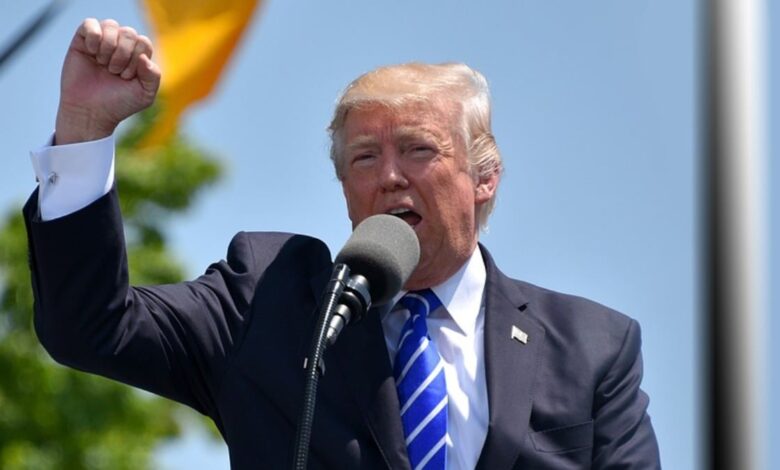
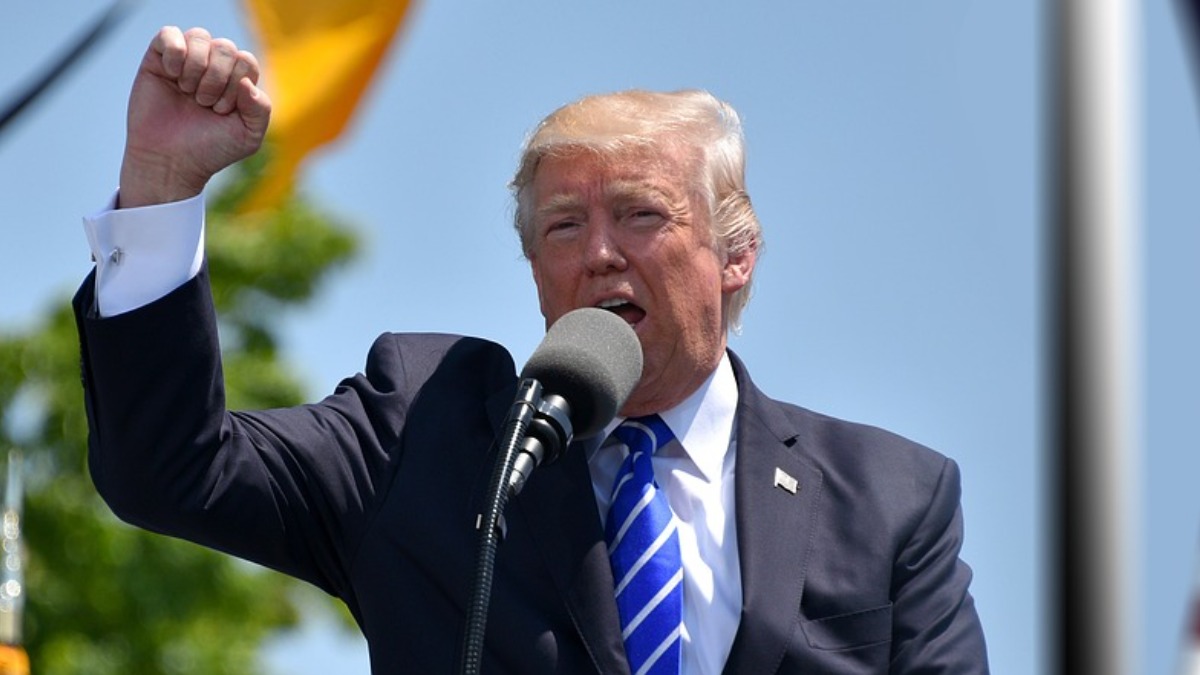
Image by geralt on Pixabay.

|
Some of President Donald Trump’s most loyal “America First” supporters say they feel betrayed by the administration’s expanding military actions, arguing the president has abandoned his long-standing promise to keep the United States out of new foreign wars. As reported by Politico, the ongoing conflict with Iran is now fueling a growing rift within Trump’s foreign policy coalition.
Many conservatives who favor a non-interventionist approach initially placed significant trust in Trump’s return to office. Supporters viewed Vice President JD Vance and Defense Secretary Pete Hegseth as key allies in maintaining a more restrained foreign policy, particularly after both spent the first year of the administration pushing back against overseas military interventions.
That expectation has shifted sharply as U.S. military operations expanded, first in Venezuela and now in Iran. Critics within the broader MAGA movement say the evolving strategy has left them questioning what the administration’s long-term foreign policy goals actually are.
The Iran war is splitting Trump’s foreign policy coalition
The internal tension has become more visible as some former administration officials and political allies question whether the “high bar” once discussed for military interventions still exists. One former administration official, speaking anonymously, said the idea of strict limits on overseas military action is now “dead in the water.”
Trump has dismissed criticism from allies who argue the war contradicts his “America First” platform. In a recent interview, the president responded bluntly to complaints from supporters, stating that “MAGA is Trump,” a remark that signaled he expects the movement to follow his decisions even when they depart from earlier positions.
White House spokesperson Anna Kelly defended the administration’s approach, saying Trump is acting to eliminate threats posed by Iran’s military and nuclear ambitions. The administration maintains the campaign is focused on dismantling Iran’s ability to develop nuclear weapons, launch ballistic missiles, and arm proxy forces.
Messaging around the war has also raised questions among both supporters and critics. Pentagon policy chief Elbridge Colby told lawmakers the United States would avoid an “endless war,” even as Defense Secretary Pete Hegseth warned that the conflict had “only just begun,” amid the Kurdish offensive talks.
Hegseth initially said the war was not about regime change, but Trump later suggested the United States would play a role in determining Iran’s next leadership. The Defense Department has rejected claims of conflicting messaging, with spokesperson Sean Parnell saying the president and defense secretary have been “crystal clear” about their objectives.
Although a war powers resolution aimed at limiting Trump’s military authority failed in both the House and Senate, the conflict has sparked concern among some Republicans on Capitol Hill. Rep. Warren Davidson of Ohio, who supported the measure, said the expansion of military operations conflicts with the movement’s original philosophy.
“America First was supposed to be a rejection of the globalist war machine,” Davidson said, as the Ukraine drone request added to questions about the war’s scope. The escalating conflict has also brought mounting costs. Six U.S. service members have been killed, and three F-15 jets were lost in a friendly fire incident during the fighting.
Some observers note that Trump would not be the first president to reverse a campaign promise about foreign wars. Woodrow Wilson won reelection in 1916 on a pledge to keep the United States out of World War I but entered the conflict just months later.
Still, critics argue the scale of the current military campaign and the uncertainty surrounding its goals mark a turning point in Trump’s foreign policy approach. That uncertainty has only grown as officials privately acknowledge the administration has yet to clearly define the end state of the conflict.
According to a person familiar with the national security team’s internal discussions, divisions inside the administration have not fully hardened yet. That may be because the White House itself has not settled on a final objective in Iran.
“The situation isn’t coherent or clear yet,” the person said, adding that officials “still don’t know what the goals are.”


Published: Mar 6, 2026 02:15 pm